 Liz Moorehead
It used to be a lot easier to explain the difference between organic search vs paid search. (Either we’re not allowed to have nice things, or the Great Internet Wizard in the sky decided we needed a challenge.)
Once upon a time, organic search was your long game, and paid search was the express ramp to faster results. You’d lean on organic SEO plays to build visibility, and you could look to Google Ads to buy attention immediately. The first took patience (which, as an only child, I don’t exactly love), and the other took budget.
In some ways, these are still fundamental truths.
Today, the implications of these comparisons are messier.
Now you’ve got AI Overviews, AI Mode, more answer-first search behavior, fewer tidy click paths, and a SERP that’s increasingly trying to do more of the work before someone ever lands on your site. So, website owners (from publishers to businesses) are left watching their site traffic crater, with no clear path forward.
Meanwhile, marketing leaders like you still have to answer the same practical questions they had before all this started speeding up: where do we invest, what still works, and how should we think about organic search vs paid search now?
🔎 Go deeper: Paid search lead generation strategies that actually work (+ examples)
Sure, the difference between organic search and paid search is still important to understand. But it’s not enough to explain it as “free traffic versus paid traffic” and call it a day. That’s like describing the difference between New York City and Los Angeles as “singers vs actors.”
Technically correct? Yes. The full story? H-e-double-hockeysticks no.
If you are leading marketing at a high-growth ecommerce brand, you need to dig deeper into the organic vs. paid search comparison. Now you need to consider what each one is still good for, where each one is getting harder, and how they fit together in a search environment that looks very different from the one a lot of marketers built their instincts around.
What is organic search?
Organic search is the unpaid visibility your brand earns in search engines.
That visibility usually comes from some mix of technical SEO, content, category pages, product pages, internal linking, site quality, authority, and the general usefulness of what you have put on the internet.
The end result is when someone searches and clicks a standard non-ad result, that falls into the organic bucket:
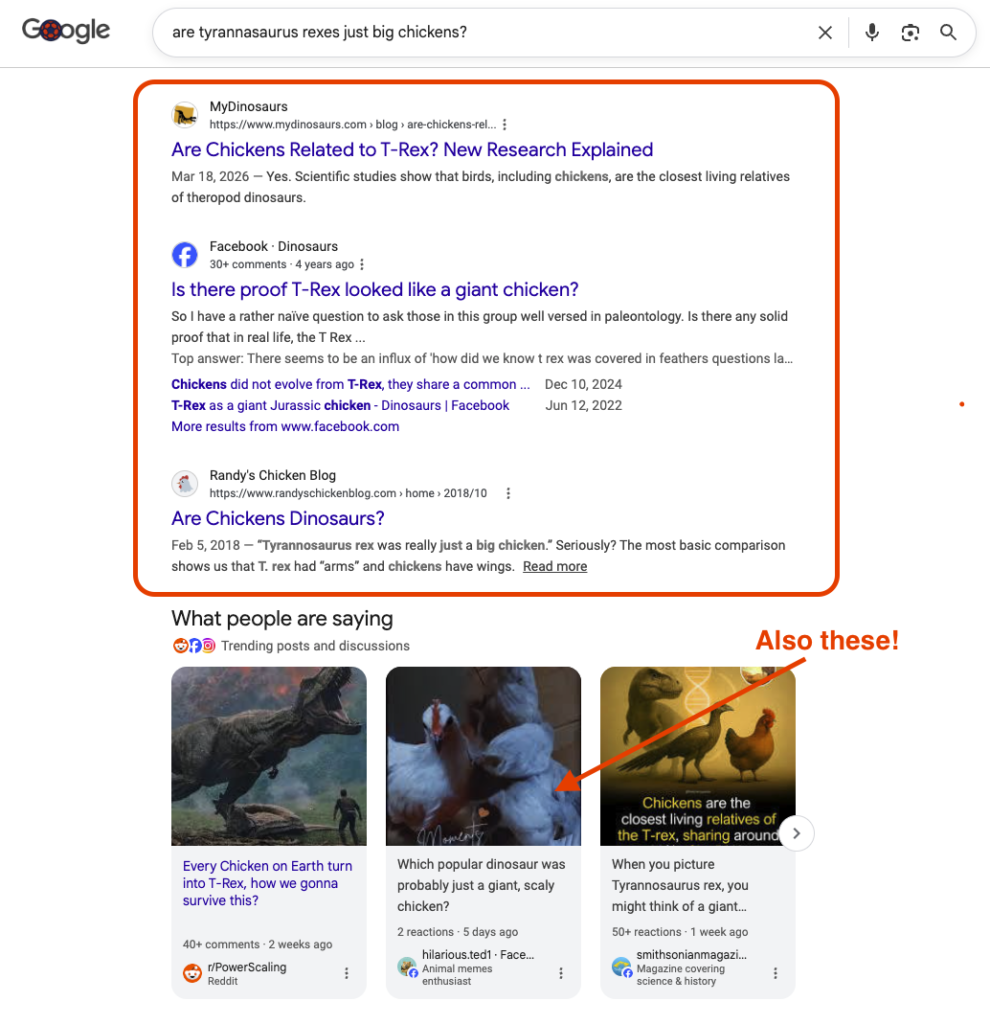
Fig. A: Organic searches from a real search I conducted last night. I’m a curious woman.
This is where things get a little strange. This traffic is not “free” by default, despite the way we usually think about it.
You may not pay Google directly for placement in these search results, but organic search takes time, effort, content, technical work, and usually a decent amount of internal or external expertise.
🔎 Go deeper: What’s the difference between branded keywords and non-branded keywords?
As an ecommerce brand, organic search is the big player in helping your category pages, product pages, buying guides, comparisons, review content, problem-solving content, and branded or non-branded queries rank.
When it works well, it gives you durable visibility. It helps people discover you earlier, while also capturing demand without buying every visit outright. It also tends to get treated like a magical traffic faucet by people who have not had to build or maintain it themselves.
Although given all of the AI-forward changes we’ve seen to search, I don’t think we see much of that magical thinking around organic search anymore. I’m not saying it’s not still important — it is. But more on that later.
What is paid search?
Paid search is the visibility you buy inside search engines.
That usually means Google Ads, sometimes Bing Ads (don’t knock ’em, they matter in if you’re targeting heavily regulated B2B customers, particularly in cybersecurity or tech), and campaigns built around keywords, shopping inventory, audiences, bidding strategies, and landing pages.
When someone clicks a sponsored search result or a shopping ad, that’s paid search:
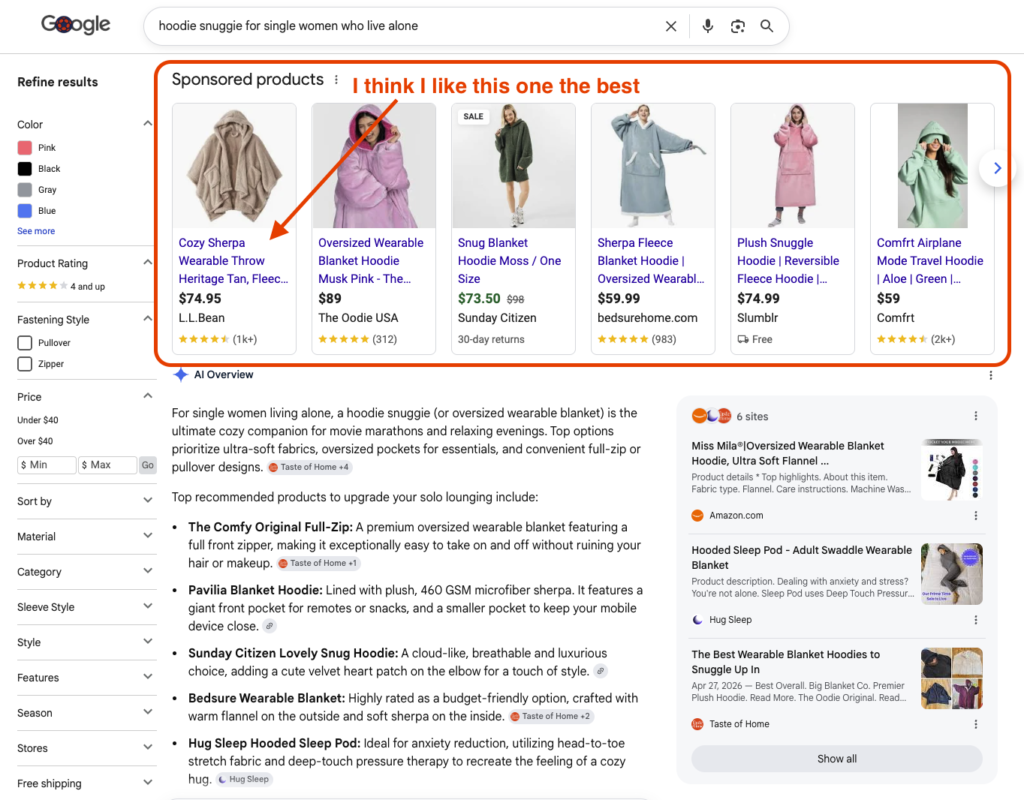
Fig. B: I bought it. I have no regrets. Shout out to the paid media team at LL Bean. You’re doing great work.
The big advantage of paid search is speed and control. You can turn on visibility quickly. You can choose where to compete. You can test offers, keywords, landing pages, and messaging faster. You can support launches, promotions, seasonal pushes, or high-intent demand in a way organic search usually cannot match on timing.
🔎 Go deeper: 3 tips for writing amazing ad copy (+ bonus tip for improving PMax ads)
But you know all this, right?
Ecommerce and paid search go together like peanut butter and jelly… or cold, leftover pizza and me eating it over the sink while internally crashing out over saying “You too!” to the waitress earlier that night after she said, “I hope you enjoy your dinner.”
Paid search is how you build campaigns around product-specific terms, branded terms, shopping campaigns, high-intent category searches, and comparison queries.
So what’s the actual difference between organic and paid search?
Yes, one is free, one is paid. Fine.
But if you’re into making money like I am, the better (and more strategic) way to evaluate organic search vs paid search is by examining how differently they behave as channels.
Organic search usually takes longer to build, compounds over time, and can support more of the customer journey from discovery through decision. This is the stronger move when you need long-term discoverability, broader topic coverage, category presence, and a search footprint that keeps working after the spend stops
Paid search, on the other hand, moves faster, gives you more direct control, and lets you buy your way into the conversation immediately. So, when you need speed, budget control, campaign-level precision, testing, or visibility around high-intent searches right now, paid search is the move.
🔎 Go deeper: Landing page optimization strategies to increase conversions (a practical, data-driven guide)
Think of organic search like compounding interest in a bank account: persistence and patience will yield big pay-offs that stand the test of time. Paid search is like paying rent: you get immediate access, but that access is cut off the moment you stop paying for it.
In ecommerce, you still need both.
You need to build a strong, well-structured site that search engines love, and you also need powerful paid search campaigns that get you in front of the right people when they’re ready to buy from you.
The thing that’s changed today is how our lazy assumptions of how each of these channels work won’t cut it anymore. And I’m not shaming you for that — we all got lazy, because we got comfortable with how the rules worked. But now the rules have changed.
Organic search can’t coast on “content equals traffic.” Paid search can’t coast on “performance equals platform numbers.” Both need better pages, better measurement, better alignment with buyer intent, and a more honest understanding of what the modern SERP is doing to user behavior.
Yes, organic search and paid search still have their own downsides
The same things that make these two channels so effective are often the things that annoy us the most:
- Organic search takes time, which sucks. We also don’t have as much control as we’d like, which also sucks: rankings can move, click behavior can change, search engines can alter how results are displayed. It’s also still a complete pain in the a** to draw a clear attribution line between organic search clicks and revenue.
- Paid search results can feel like big wins, but they can be deceptive. For example, strong performance with branded terms and remarketing can mask new customer acquistion problems. Plus, your margins may still be garbage, once you crunch the numbers on a “successful” campaign.
And both have some drawbacks now that AI Overviews and other answer-rich experiences can reduce the neatness of the path from query to click:
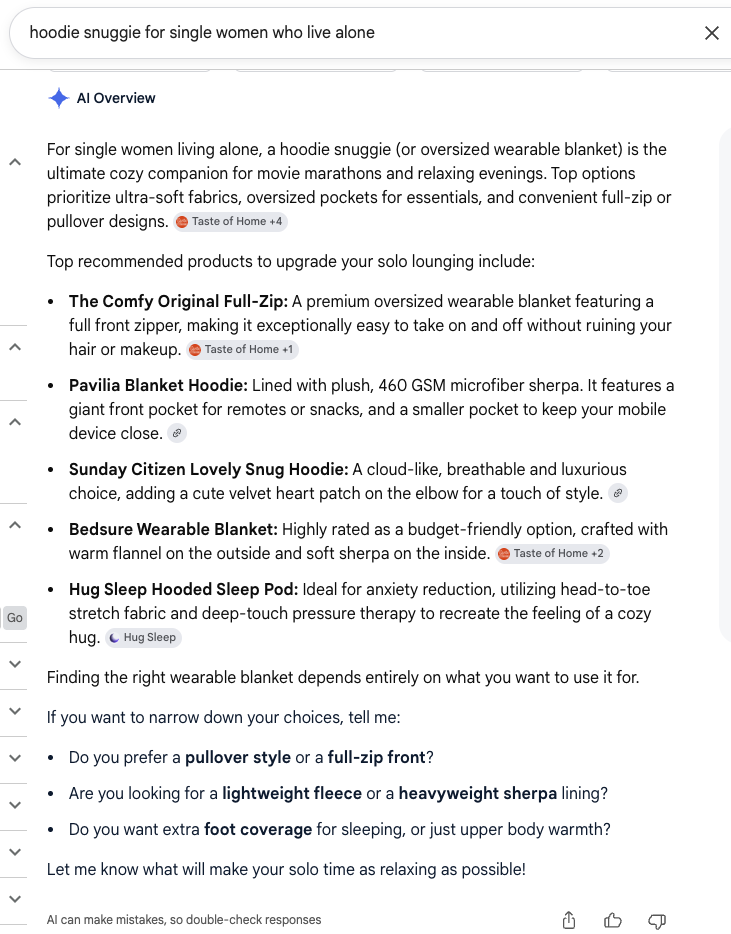
Fig. C: I accidentally clicked into the AI overview first for this search. I didn’t want a conversation where the products felt further away, but here we are.
This is the AI-first approach to search that Google rolled out earlier this year. With no warning, I might add. The day they announced it at the Google I/O conference, they let everyone know it would go into effect the following Tuesday.
🔎 Go deeper: How to analyze keywords for effective ad campaigns
Sure, people can still scroll down to more traditional search results. But if they click into the AI overview at all, they’re taken into a conversational experience they have to click out of to see real results.
How organic and paid search should work together
Organic search and paid search aren’t the ecommerce equivalents of Logan and Kendall Roy screaming at each other over who’s the eldest boy. They can and should work together.
Paid search can help you learn faster. It can validate which queries convert, which messaging works, which landing pages pull their weight, and which demand pockets are worth chasing. You can then use that data to optimize your site to better rank organically, in addition to enjoying the immediate ROI of your campaigns.
📊 Case study: How The Foot Doc achieved lead gen goals through strategic campaign optimization
Organic search can also strengthen the ecosystem around paid. If a shopper searches your brand after seeing an ad, finds stronger organic results, reads supporting content, and then converts later, that is still part of the same broader search reality. Paid and organic often support the same journey from different angles.
This matters even more now because the SERP is busier and more fragmented. If your brand only shows up through one route, you are easier to miss and easier to overpay for. A more resilient strategy usually includes both.
If you’re trying to figure out what matters now, start here
Organic search and paid search still both matter, and the old simplistic version of the comparison matters less.
Organic search is still worth investing in because it helps you build durable visibility, trust, and discoverability across more of the customer journey. Paid search is still worth investing in because it gives you speed, control, and a way to capture active commercial intent right now.
🔎 Go deeper: Landing page optimization strategies to increase conversions (a practical, data-driven guide)
Search is getting more AI-forward, more answer-rich, and less tidy. That does not erase either channel. It does raise the bar for how thoughtfully you use them.
So the better question going forward isn’t “which one wins?” It’s “what job does each one need to do for this business, and are we setting either one up to do that job well?”
When search changes, the brands that stay grounded in role, relevance, measurement, and useful customer experiences tend to make better decisions than the ones still arguing over whether organic is free or paid is faster like it is 2019.